Pool Leak Detection & Repair In Fort Myers, FL
Plumbing-side pool leak detection for equipment lines, fill valves, and plumbed connections, common in Fort Myers' many pool-equipped homes.
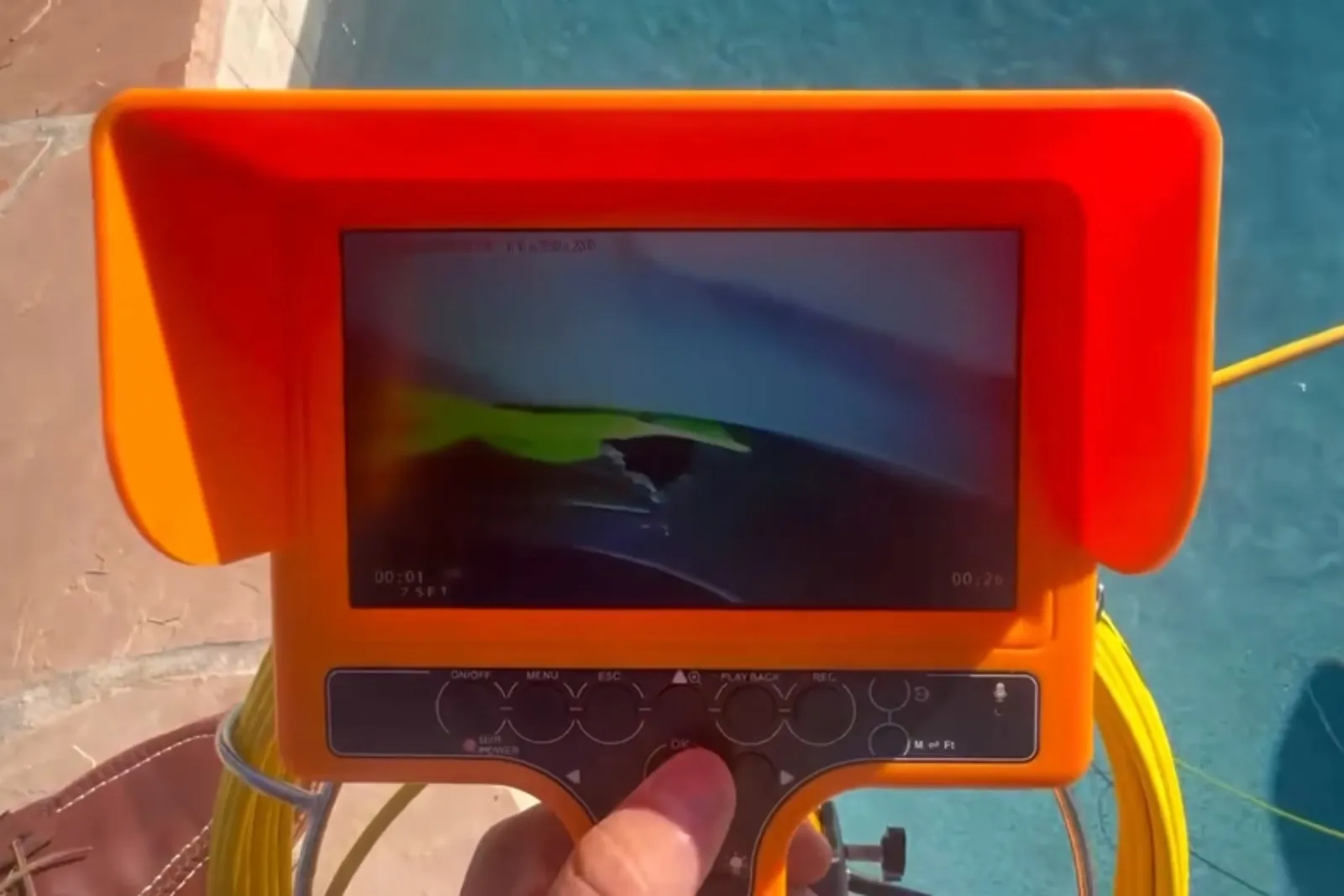
Topping off the pool more than evaporation should explain? A pool that's genuinely losing water beyond normal evaporation, roughly a quarter inch to half inch per day in Florida's heat, usually has a leak somewhere in the plumbed equipment lines, the fill valve, or a fitting rather than the pool shell itself.
Plumbing-Side Pool Leaks
Residential pools are common across Fort Myers, and a real share of "pool leak" calls turn out to be plumbing issues rather than a problem with the pool's structure or liner: a cracked equipment line, a failing fill valve, or a leaking fitting where pipe connects to the pad equipment. We handle the plumbing side of pool leak detection and repair, tracing water loss through the equipment pad, fill lines, and connections. A structural leak in the pool shell or liner itself is outside plumbing scope and is better handled by a pool specialist, which we'll tell you honestly if that's what we find. Many Florida homes were built with the pool and house sharing the same water supply and backflow setup, which is part of why a pool-related water loss issue can sometimes trace back to plumbing most homeowners wouldn't think to check first.
What To Look For
Water Loss Beyond Evaporation
Losing noticeably more than a quarter to half inch of water per day points to an actual leak, not just heat and evaporation.
Wet Spots Near Equipment
Consistent moisture around the pump, filter, or heater area often traces back to a plumbing connection.
Fill Valve Running Constantly
An auto-fill valve that runs more than expected can indicate a leak elsewhere in the system triggering it.
Air In The Pump System
Air bubbles at return jets can point to a suction-side leak in the plumbing rather than the pool structure.
Pool Losing Water?
We can confirm if it's a plumbing-side leak before you call anyone else.
What Pool Leak Work Costs
Upfront price confirmed after tracing the leak.
Pool equipment leaks are generally not covered by homeowner's insurance, since they're treated as ordinary equipment wear. We'll be upfront if what we find looks like it falls outside plumbing scope and needs a pool specialist instead.
What To Check First
- Do a basic evaporation check: mark the water level, wait 24 hours with the pump off, and compare to a bucket of water left at the same depth nearby.
- Check for wet spots specifically around the equipment pad, since that's the most common plumbing-side leak location.
- Note whether water loss happens with the pump on, off, or both, since that helps narrow down pressure-side versus suction-side leaks.
Common Questions
Roughly a quarter to half inch per day is typical in Florida's heat. Losing noticeably more than that suggests an actual leak.
No, that's outside plumbing scope and is better handled by a pool specialist. We handle the plumbed equipment lines, fill valves, and fittings.
Similar methods to our standard leak detection service: pressure testing and acoustic tracing to locate the leak without unnecessary digging.
Yes, for non-emergency calls. We confirm the price after tracing the leak.
Yes, an auto-fill valve compensating for a leak by adding water regularly can show up as an unexplained increase on your household water bill.
Often Needed Alongside
If the leak turns out to be in the home's main plumbing rather than the pool equipment, our standard leak detection service covers that broader situation. A pool fill line is also a common point requiring a tested backflow preventer under local utility rules.
Pool Leak Service Across Lee County
We provide pool leak detection and plumbing-side repair throughout Fort Myers and surrounding Lee County communities including Cape Coral, Lehigh Acres, and San Carlos Park. See our full service area for coverage details, or call to confirm service at a specific address.